



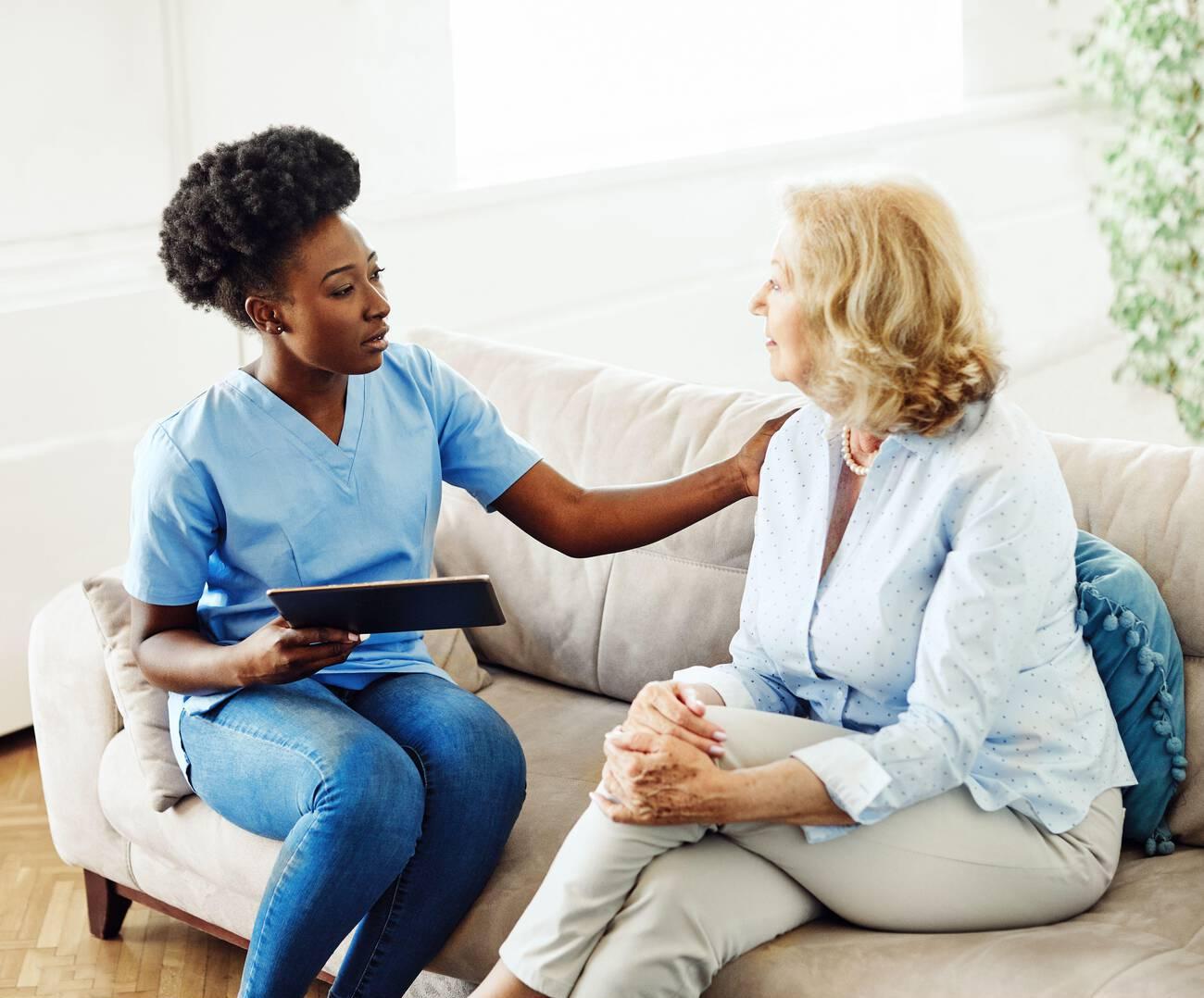
Caregivers play a vital role in supporting the health, safety, and dignity of individuals across home care, senior living, and clinical settings. While compassion is essential, quality care also depends on proper training. A well-trained caregiver is better prepared to handle daily challenges, respond to emergencies, and deliver consistent, high-quality care.
Here are five essential training topics every caregiver should master.
1. Safety & Infection Control
Safety training is the foundation of caregiving. Caregivers must understand:
Proper hand hygiene and use of personal protective equipment (PPE)
Infection prevention and control practices
Fall prevention and safe mobility techniques
Creating a safe environment in home and facility settings
Strong safety training protects both caregivers and those they support.
2. Dementia & Alzheimer’s Care
Caring for individuals with cognitive impairment requires specialized knowledge and empathy. Training in dementia care helps caregivers:
Understand common behaviors and triggers
Communicate effectively with individuals experiencing memory loss
Provide person-centered, compassionate care
Reduce stress and burnout for both caregivers and families
3. Medication Awareness
While caregivers may not administer medications in all settings, they must understand:
Medication safety basics
Common side effects and warning signs
Proper documentation and reporting
When and how to escalate concerns to supervisors or clinicians
Medication awareness reduces errors and improves overall care coordination.
4. Communication & Professional Skills
Effective communication is critical in caregiving roles. Training should focus on:
Clear communication with clients, families, and care teams
Cultural sensitivity and respect
Professional boundaries and ethics
Managing difficult conversations with confidence
Strong communication builds trust and improves care outcomes.
5. Emergency Preparedness
Caregivers must be prepared to act quickly during emergencies. Training should cover:
Recognizing signs of medical emergencies
Basic first aid and response procedures
Reporting incidents accurately
Staying calm and following protocols under pressure
Prepared caregivers save time—and lives—during critical moments.
Final Thoughts
Comprehensive caregiver training isn’t optional—it’s essential. By focusing on these core areas, care organizations can build confident, capable teams ready to deliver safe and compassionate care.
CareCred supports caregivers with practical, role-based training designed for real-world care environments.